Hoses are critical components in fluid and pressure systems. When a hose fails, it can cause severe equipment damage, costly downtime, and serious safety risks. Knowing when to inspect, service, or replace your hose helps maintain peak operational safety and efficiency.
Important Safety Note: A hose can be unsafe even when external damage appears minor. Internal wall fractures or weakened wire braids can hide below the surface and lead to sudden, high-pressure failure.
Key Indicators for Immediate Replacement or Removal
You should replace or immediately remove a hose from service if it exhibits any of the following physical or structural defects:- Leakage: Any sign of fluid escaping along the hose body or connection points.
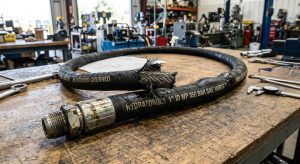
- Exposed Reinforcement: Visible wire braid or textile layers where the outer protective cover has worn away.
- Deep Abrasion: Scrapes or gouges that penetrate into the protective outer layers.
- Cracks: Surface or deep fractures caused by age, weathering, or chemical exposure.
- Blisters: Bubbles on the exterior wall indicating fluid or gas escaping from the inner tube.
- Hard or Soft Areas: Stiff, brittle sections or mushy, swollen spots caused by extreme temperatures or fluid incompatibility.
- Kinks: Permanent bends that restrict flow and strain reinforcement layers.
- Crushing: Structural flattening from heavy machinery or physical impact.
- Corrosion: Oxidation, rust, or chemical damage on metal end fittings.
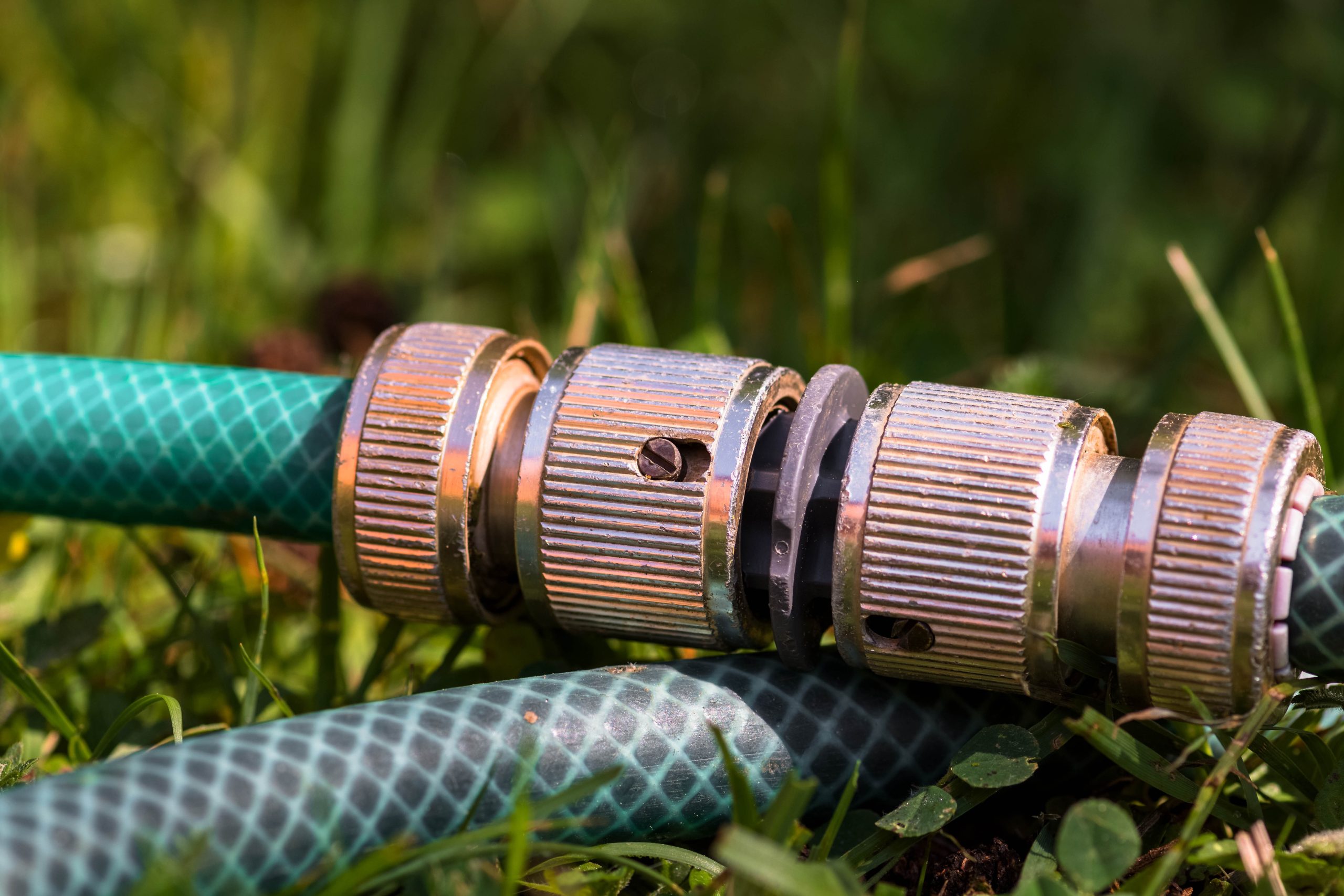
- Fitting Damage: Dented, bent, or deformed couplings that compromise connection integrity.
Critical Fitting & Connection Warnings
Fitting movement, separation, or leakage at connection points requires immediate attention. If you notice a fitting slipping away from the hose cover, physical separation between the coupling and hose body, or seeping fluid around crimp collars, shut down the line immediately to prevent a blowout.Post-Event Hose Reviews
Always review and inspect a hose thoroughly after an unusual event, such as:- Sudden high-pressure spikes or surges
- Exposure to extreme heat or direct flame
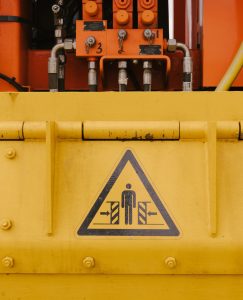
- Heavy physical impacts or pinching hazards
Important Safety Note: A hose can be unsafe even when external damage appears minor. Internal wall fractures or weakened wire braids can hide below the surface and lead to sudden, high-pressure failure.